

California and Hawaii
Grow fish and produce on-site. No farming background required.
Aquponi designs, builds, and supports aquaponic farms. Built in Japan since 2014, now available in the United States.
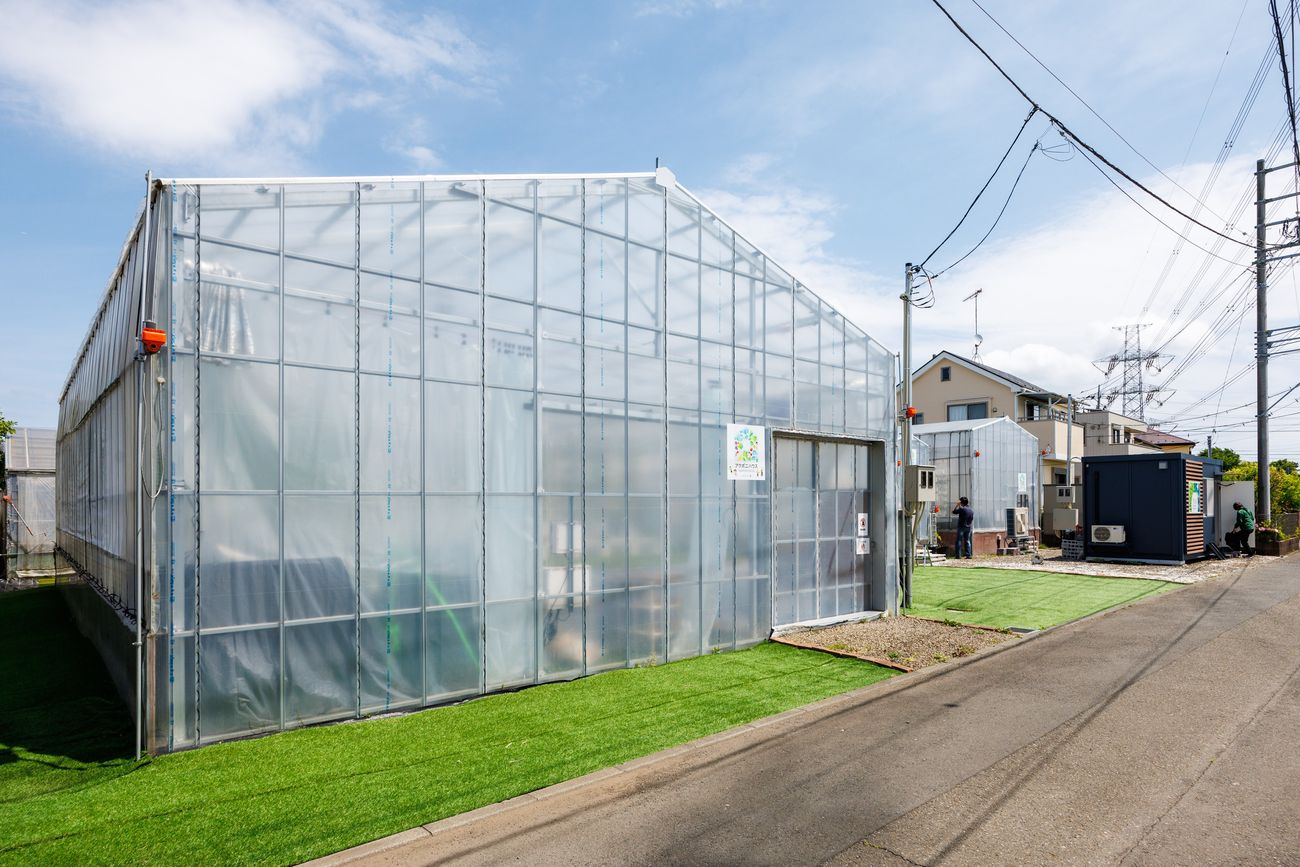
Aquponi research farm · Fujisawa, Kanagawa, Japan
Building aquaponic farms since 2014. 70+ commercial farms across Japan.
Featured on Japanese television: BS-TBS, Action2030. Watch the segment.
Three ways to run the same farm.

Restaurants & Hotels
A compact on-site farm producing salad greens, herbs, and table fish, steps from the kitchen.
Restaurants & hotels →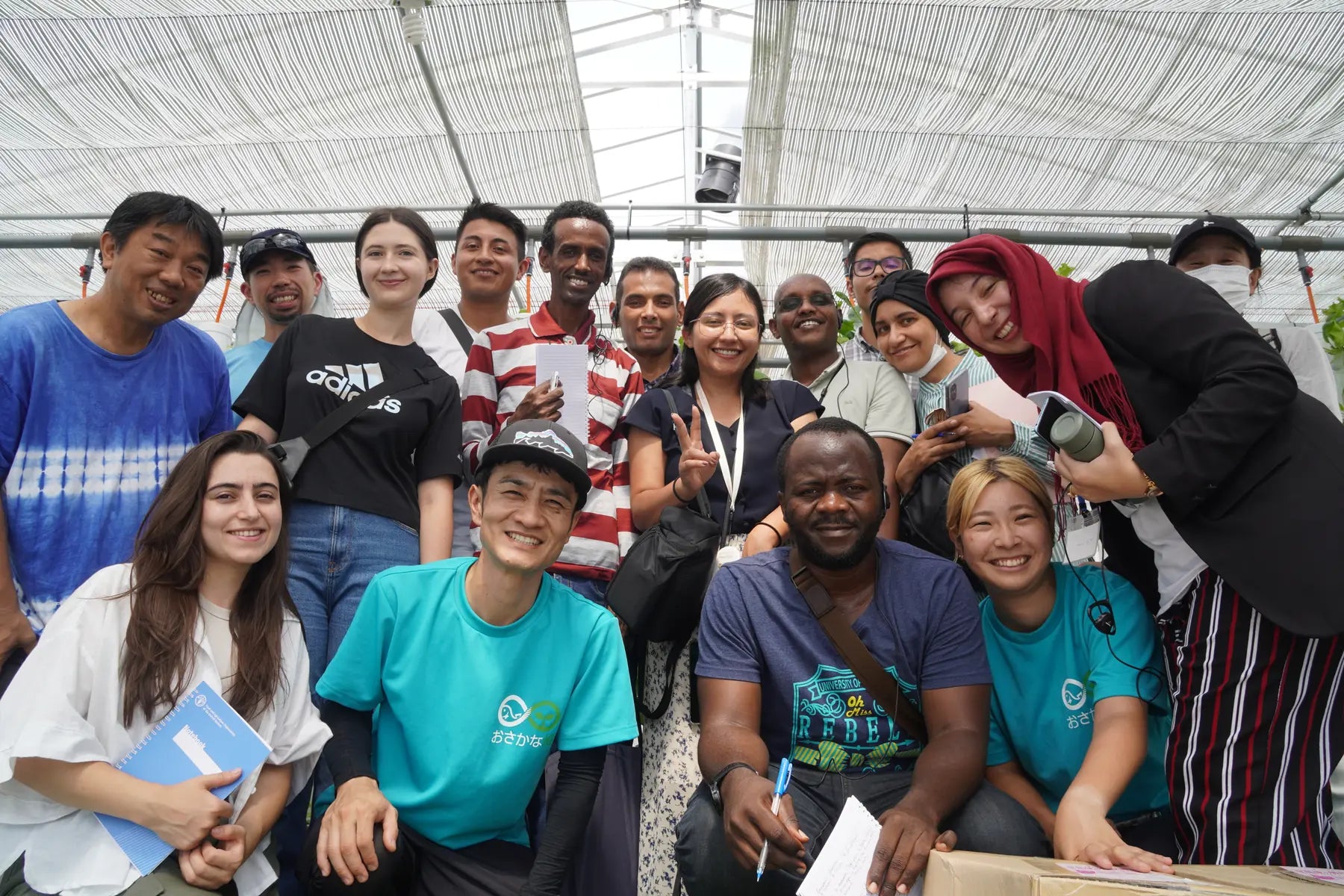
Schools & Universities
A living lab that students run with their own hands.
Schools & universities →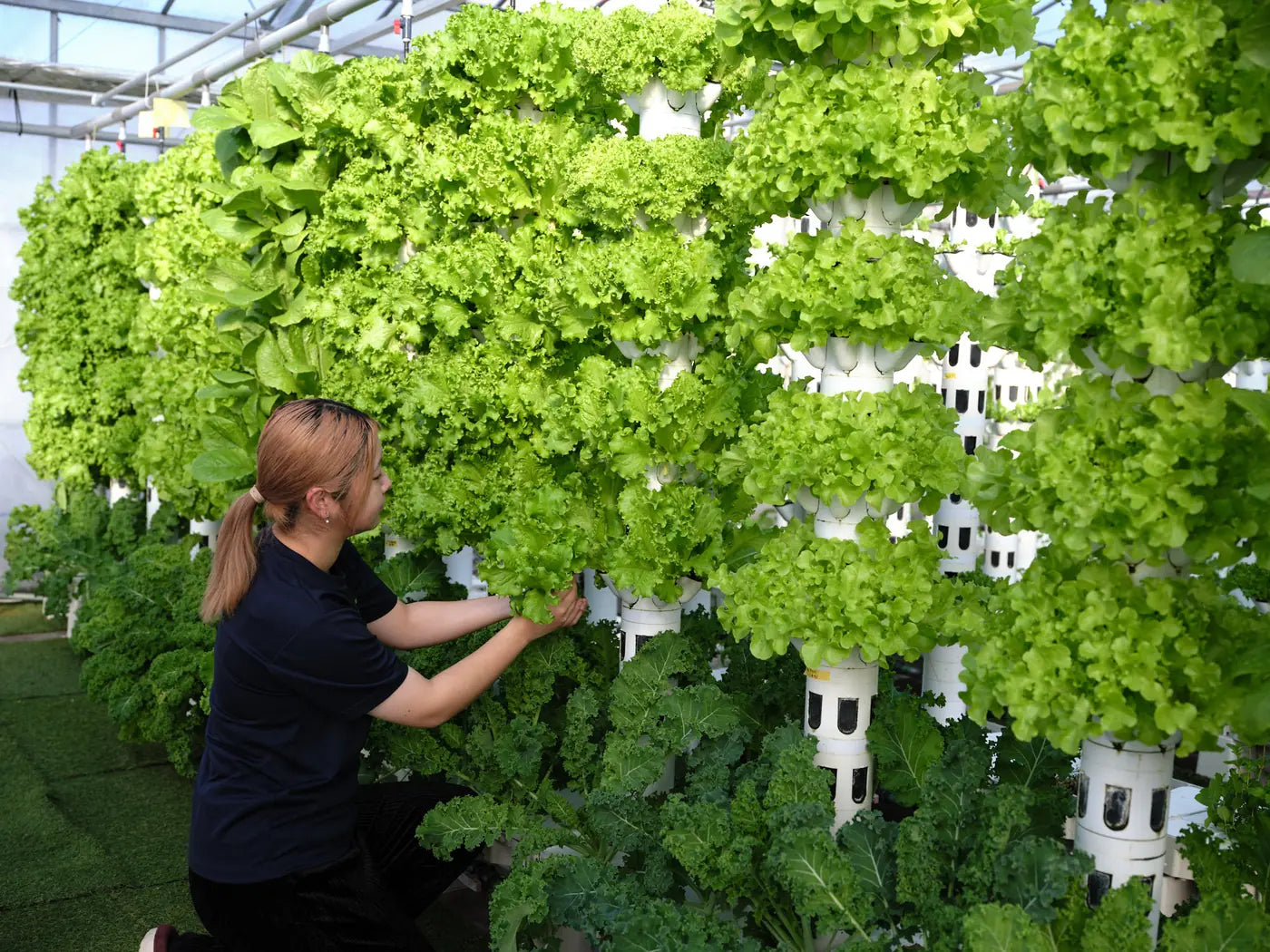
Inclusive Employment
A farm that pays wages: real, structured work for supported-employment and workforce programs.
Inclusive Employment →The system tells you what to do.
The real question is whether your people can run it. Three things make sure they can.
Remote monitoring
Water, fish, and crops are tracked around the clock. Our team sees the same data you do and flags problems early.
Structured training at handover
Daily routines, crops, fish care, and troubleshooting, taught on site when the system starts up.
First-year support included
Twelve months of remote support from the team that designed the system.
One loop.
Two crops.
Fish waste becomes plant nutrition. Plants return clean water to the fish. No synthetic fertilizer, no pesticides, and a fraction of the water of field agriculture.
Run separately, each half costs money: fish farms pay to treat their waste, and hydroponic farms pay for nutrients.
Bacteria in between turn fish waste into plant food.

No pesticide is possible, because it would kill the fish.
That constraint is the quality control. Aquponi does not use pesticides, herbicides, or chemical fertilizer, because the system cannot tolerate them.

Aquaponics is not vertical farming.
Indoor vertical farming ran into trouble in 2023, and the problem was built in: heavy lighting bills, paid for by a single product, produce.
Aquaponics is a different shape: two products from one system, fish and produce, on a fraction of the energy.
Built as a system, not a parts list.
US systems lead with vertical towers. Growing upward gets more out of every square foot, which matters where floor space is expensive. Below the towers, the bed type is chosen per crop and per site.


From first site visit to a running farm.
Five stages. Aquponi is present for all of them, including after handover.
Consultation
Your site, your goals, the crops, and the local rules.
Design
Sized to your building, your climate, and what you need it to produce.
Build and commission
Installed, stocked with fish and plants, and proven running.
Training and handover
On-site training for the people who will operate the system daily.
Ongoing operations
Remote monitoring, growing advice, and maintenance.
Seed, growing media, feed, and stock are supplied through Aquponi on request.
Tell us what the site has to do.
Early US sites work directly with the Japan engineering team, and their performance data becomes part of the published research log.
We would rather decline a project than commission one that will not perform.
US systems are configured, certified, and supported for US operation; specifications and pricing differ from Japan-market systems.
Start the assessment
The form on the Contact page asks for your site, your state, and what you need it to produce. It goes straight to the engineers.
Schedule a ConsultationResponse within one US business day.